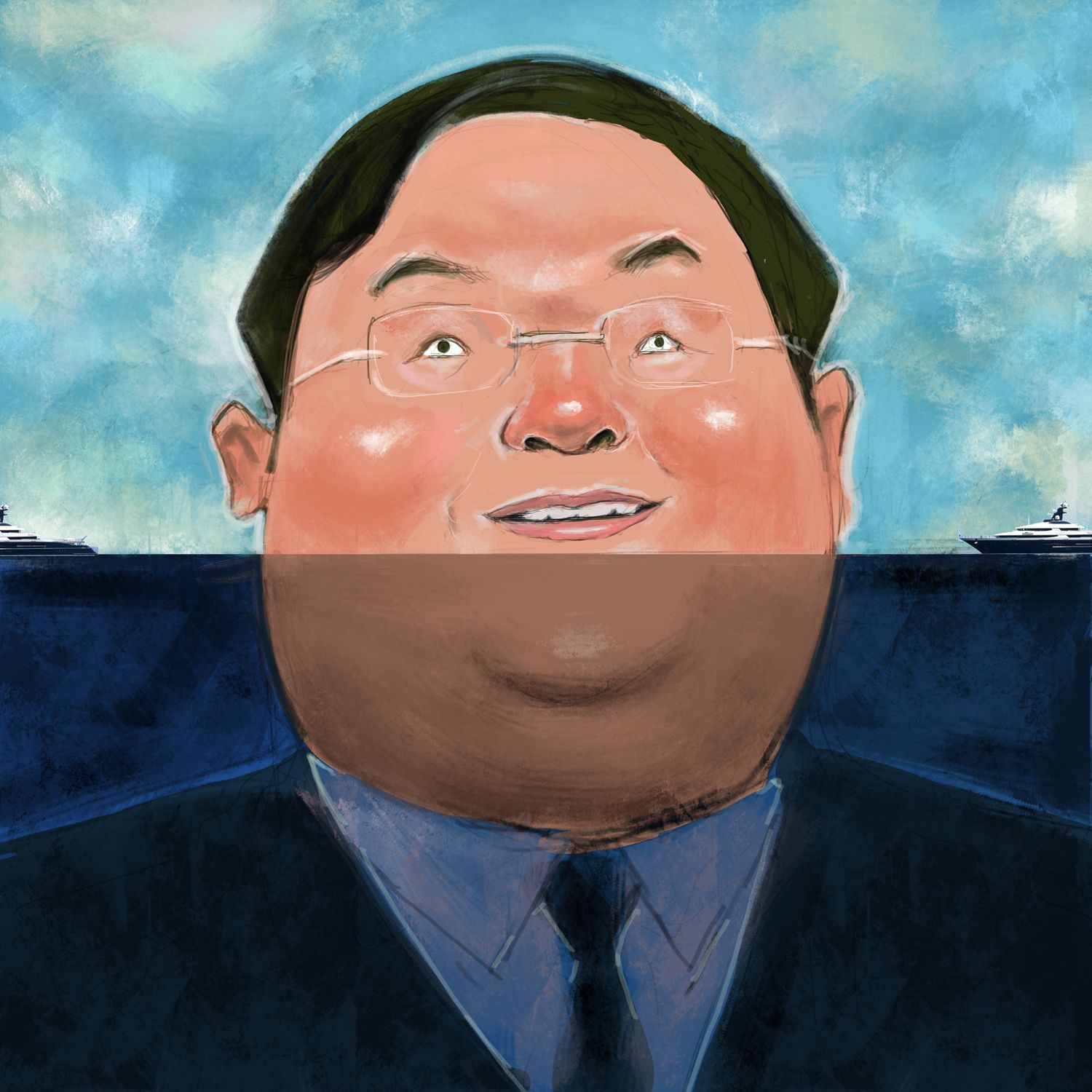
Jho Low, whose full name is Low Taek Jho, is the Malaysian financier charged by U.S. prosecutors in connection with the diversion of funds from 1Malaysia Development Berhad (1MDB), Malaysia’s state investment fund; he has denied wrongdoing (DOJ charging announcement, Reuters). This guide follows Whale Hunting’s reporting on the money trail, China connections and search for Low, with links to investigations, records and broadcasts.
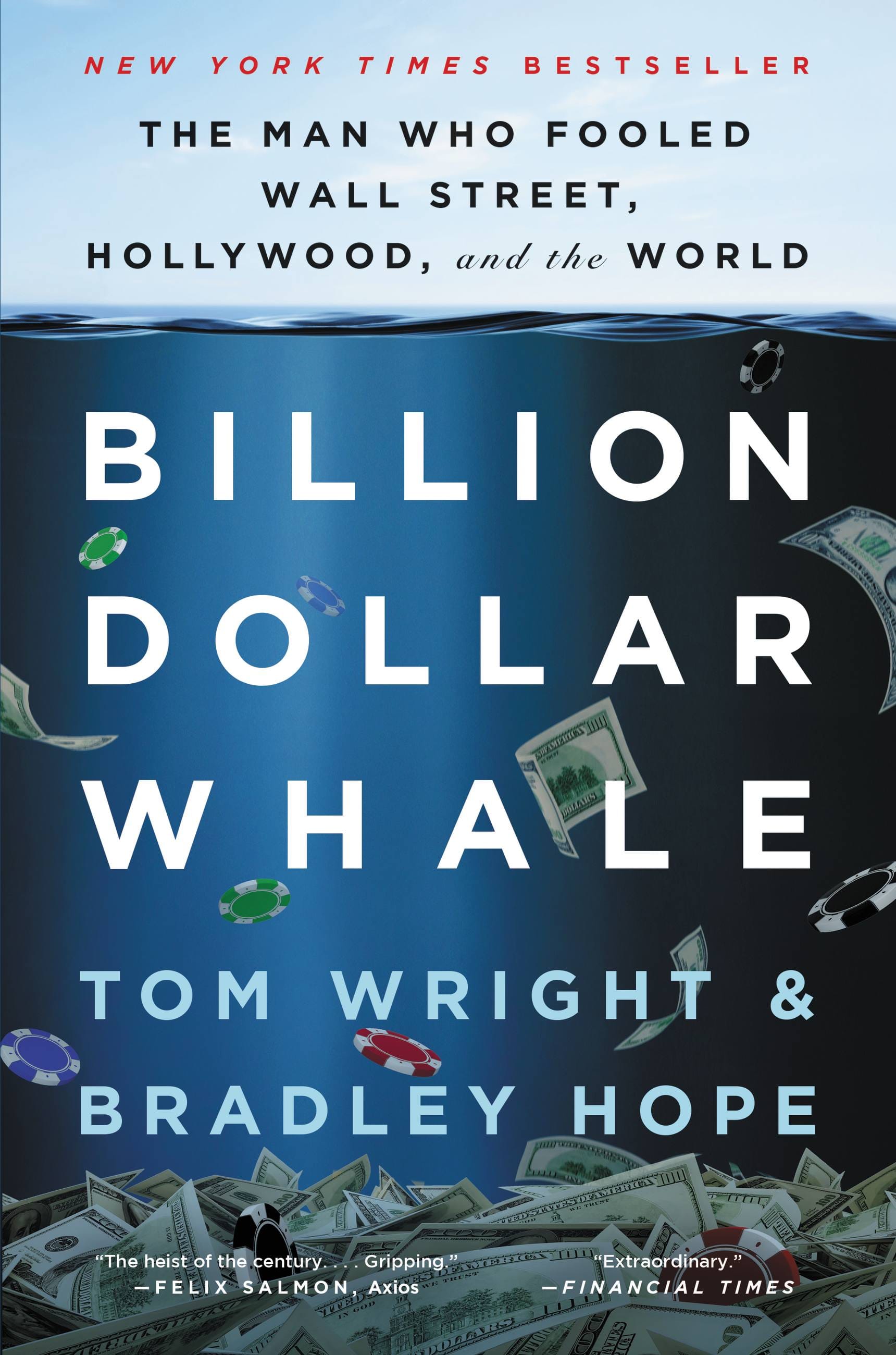
Billion Dollar Whale told the story of Jho Low’s rise and the looting of Malaysia’s 1MDB fund (the book on Amazon). Our reporting continued after publication, following his Chinese business interests, his relationship with Chinese security officials, the attempt to shut down the American investigation and the people still holding the money (the Shanghai company investigation, the lobbying investigation, the Kuwait money trail).
We also took the search into public view: first through Where Is Jho Low?, a video investigation inviting viewers to contribute evidence, and later through our July 2025 livestream, where we presented new reporting about his life in Shanghai, a false passport and his work for Chinese interests (the series launch, the livestream replay).
Some linked articles require free email registration, including the Kuwait investigation. Their original publication dates matter: an assessment of a possible arrest in 2023, for example, is not a statement that an arrest subsequently happened.
We launched Where Is Jho Low? in August 2022, asking people with photographs, documents and knowledge of his movements to help us investigate (launch article, Episode 1). The first episode showed a photograph we identified as Low at Shanghai Disneyland on 24 December 2019, an important lead with a specific date rather than proof of where he was when the programme aired (Episode 1).
The search also produced corporate evidence. In October 2022, our Chinese researcher obtained underlying records for Jinweijing Business Consulting, a Shanghai company linked to Low and his associate Seet Li Lin; we reported that it had been renamed Guiyue and taken over from Jynwel Capital by a British Virgin Islands company, Grace Zenith Limited (“Jho Low’s Millions”). The records described a subscribed capital contribution of up to $333 million, while the article expressly noted that paid-up capital was much lower: the figure was a corporate-record lead, not $333 million recovered for Malaysia or a verified bank balance (the written investigation).
In Taiwan, we worked with journalist Chris Horton to examine another company linked to Low (Episode 8). Horton visited its registered office and questioned officials; our January 2023 episode documented those inquiries and the announcement of an investigation by Taiwan’s Investigation Bureau, while acknowledging that the timing alone could not prove our reporting had caused the official action (Episode 8).
Our methods evolved too. In March 2025, Bradley described an experimental tip-bounty initiative associated with the $JHOLOW meme coin, intended to bring photographs, documents and other evidence into the investigation (“The Case for $JHOLOW”). That is part of the history of the hunt, not an invitation here to buy a token or a promise that any bounty remains available.
The China story is about more than a possible hiding place. Our reporting has examined how Low offered access to Malaysian decision-makers, helped arrange infrastructure deals and worked with Chinese security officials while trying to escape prosecution (the August 2022 account, the January 2023 analysis).
In reporting first published at The Wall Street Journal in 2019 and revisited in Whale Hunting, we examined minutes of a June 2016 Beijing meeting at which Chinese and Malaysian officials discussed assistance for the troubled 1MDB fund (WSJ investigation, our later account). Our account describes proposals to overvalue rail and pipeline projects, generate money to cover 1MDB obligations and seek Chinese help in getting foreign investigations dropped (“#whereisjholow?”).
The minutes also contained a request for Chinese help bugging Tom Wright’s home in Hong Kong, according to our account of the meeting records. We did not establish whether the request was carried out (the reporting’s qualification).
The Kuwait investigation added detail about the financial route. Drawing on a Kuwaiti court filing obtained by Whale Hunting and translated into English, Preve-Durrieu followed the alleged diversion of infrastructure funds through companies and accounts connected to Kuwaiti intermediaries, as well as attempts by men linked to Low to acquire access to banks (“1MDB: The Kuwait Money Trail”). It is a story about the attempted cover-up after the original theft, with new transactions and new obligations for Malaysia, rather than another account of the parties and purchases (the Kuwait investigation).
Sun Lijun, the senior Chinese public-security official, is central to our reporting on Low’s relationship with China. Our coverage followed the overlap between Low’s effort to stop the U.S. investigation and the Chinese effort to secure the return of Guo Wengui, then living in the United States (“Steve Wynn, Chinese Agent”, “Jho’s Efforts to Lobby Trump”).
The American legal record links these objectives in an unlawful influence campaign: in announcing Pras Michel’s 2023 conviction, the Justice Department described his conspiracy with Low and others to lobby for the abandonment of the 1MDB investigation and for Guo’s return to China, as well as his role in concealing foreign campaign contributions (DOJ conviction announcement). Michel’s conviction is not a conviction of Low, whom that announcement described as an indicted fugitive (DOJ’s distinction). Michel was sentenced to 14 years in November 2025; his lawyer called the sentence disproportionate and said he would appeal (BBC News).
Our January 2023 story examined Nickie Lum Davis’s role and reproduced selections from her grand-jury testimony, tracing a circle that included Michel, Elliott Broidy, Low and Sun (“Jho’s Efforts to Lobby Trump”). Davis was sentenced to two years for her role in facilitating the unregistered lobbying campaign (DOJ sentencing announcement).
The outcomes differ by participant. The separate civil suit seeking to compel Steve Wynn to register as a foreign agent was dismissed, and the D.C. Circuit upheld that dismissal in June 2024 because the alleged agency relationship had ended; the 2022 article should not be read as a report that Wynn was convicted (Attorney General v. Wynn).
In January 2023, Bradley examined whether Sun’s downfall and a change of government in Malaysia might make a return possible; in April, we reported discussions about a potential arrangement following Anwar Ibrahim’s visit to China (January analysis, “Jho Low’s Arrest Is in Play”). In July, “Jho Low: Dominos Falling” considered developments involving Kee Kok Thiam and Jasmine Loo and what they might mean for Low’s circle.
Those articles show how our understanding developed, including assessments and predictions that must remain attached to their dates. They do not establish that a handover occurred, and later reporting about Low entering Malaysia or negotiating over assets was denied by Malaysia’s deputy finance minister in July 2026 (Reuters).
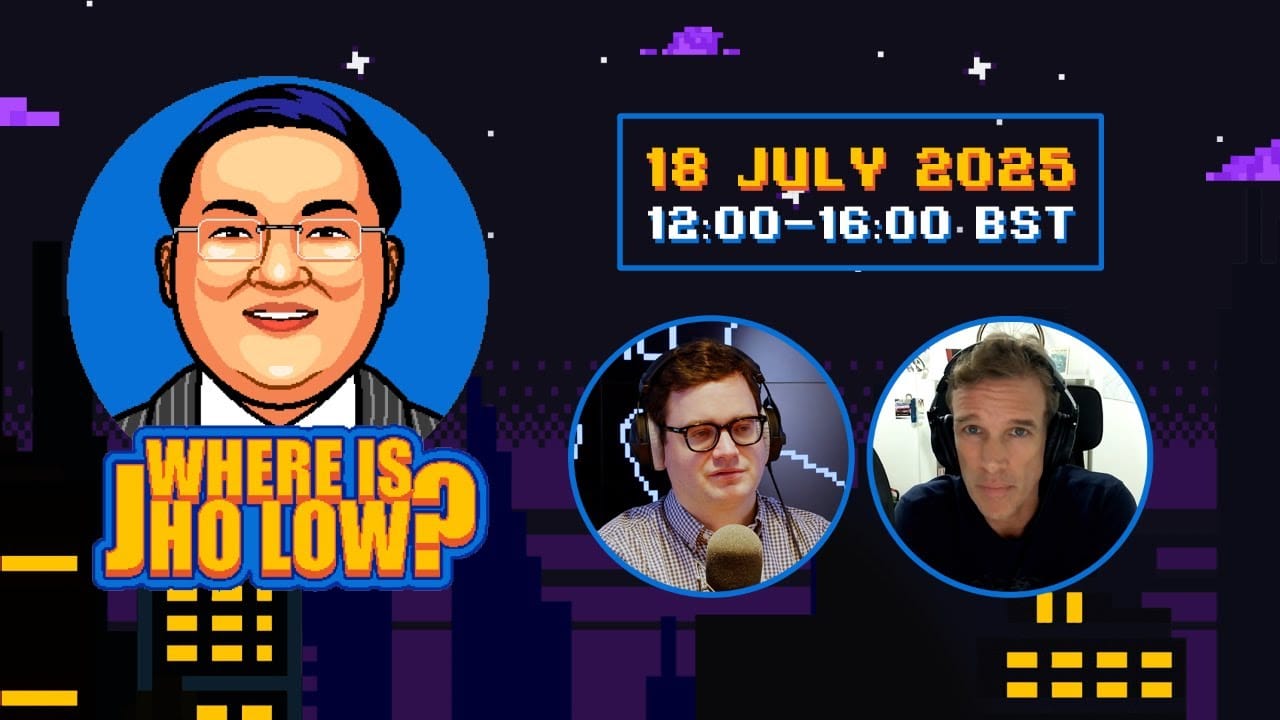
In the July 2025 broadcast, we presented reporting that Low was living in Shanghai, using a false Australian passport and continuing to operate through associates and companies (“Finding Jho Low” replay). We also described him as a strategist for Chinese businesses dealing with sensitive problems involving the United States, including sanctions-related work, and discussed whether his continued usefulness helped explain his protection (the livestream’s China discussion).
This was a development from our earlier thinking: in the broadcast, we said the newer evidence did not fit the kind of house arrest we had previously suspected (the livestream). We distinguished what we believed the documents and sources showed from the unresolved question of precisely why Chinese authorities had not returned him (the China discussion).
There are public records behind part of the later Washington–China story. Rathmell Short’s March 2025 foreign-agent registration identifies XH Smart Tech China as a client, names Robin Rathmell among the lawyers providing services and discloses third-party funding from Intemath Trading Limited (FARA registration). Our livestream and subsequent articles explore the relevance of that network to Low, but the registration alone does not establish that he directed the engagement or financed it (livestream, “The Panda’s Last Play”).
The location reporting has been disputed. Malaysia’s home minister said in July 2025 that the reported location and passport were “not supported by credible proof,” while China has denied sheltering Low or knowing his location (The Straits Times). Tom also told The Business Times that month, “We haven’t really located him yet. But the search is very much alive”; the evidence was not a physical apprehension or an independently established present-day location (The Business Times interview).
The post-book archive also follows accountability beyond Low himself. It includes original examination of Goldman Sachs emails, later court testimony about celebrity payments, civil recovery claims and the experiences of a key source of the evidence (Goldman investigation, courtroom update, Swizz Beatz story, Justo account).
In May 2026, Bradley’s “The Panda’s Last Play: Jho Low’s Audacious Bid for a Trump Pardon” examined the reported application and the legal and lobbying connections around Low. The July follow-up, “Jho Low’s Last Bet”, set that effort against the longer history of his attempts to buy political access, while recording denials surrounding the prospect of imminent clemency.
There is a specific official status to consult. When checked on 22 September 2026, the Office of the Pardon Attorney’s database listed “LOW, TAEK JHO” as “Pending”, case P338142, filed in 2026; the database said its information was current to 1 September 2026 (DOJ clemency case search). That is a pending application at the stated cutoff, not a grant or a verified account of events after it.
The wider case has continued to move through courts and recovery proceedings. These updates draw on official records and other news organisations, rather than new reporting by Whale Hunting.
The Justice Department’s civil-forfeiture account alleges that more than $4.5 billion was misappropriated from the fund between 2009 and 2015, a figure for the wider scheme rather than Low’s personal fortune (DOJ’s 2024 account).
Civil recovery has not erased criminal exposure. Both the 2019 agreement covering more than $700 million in assets and the 2024 agreement aimed at recovering more than $100 million more expressly preserved potential or existing criminal charges.
Bradley Hope is the editor responsible for this guide. It brings together reporting by Hope, Tom Wright and the other contributors credited above; the linked investigations retain their original bylines and publication dates.
The source base includes published investigations and broadcasts, court decisions, U.S. Justice Department announcements and a foreign-agent registration. Findings attributed to Whale Hunting are the publication’s reporting; this guide does not claim independent verification of every underlying document or source.
Last substantive update: 22 September 2026. This edition expands the post-book archive, adds a dated account of later legal developments and documents the guide’s sources and limitations.
The outstanding reporting questions extend beyond his location: who controls the remaining money, who enables his business, what protection he receives and whether any arrangement will put him before a court. To contribute a document, a correction or a reporting lead, use our contact page; tell us what you know firsthand and what the evidence can establish.
