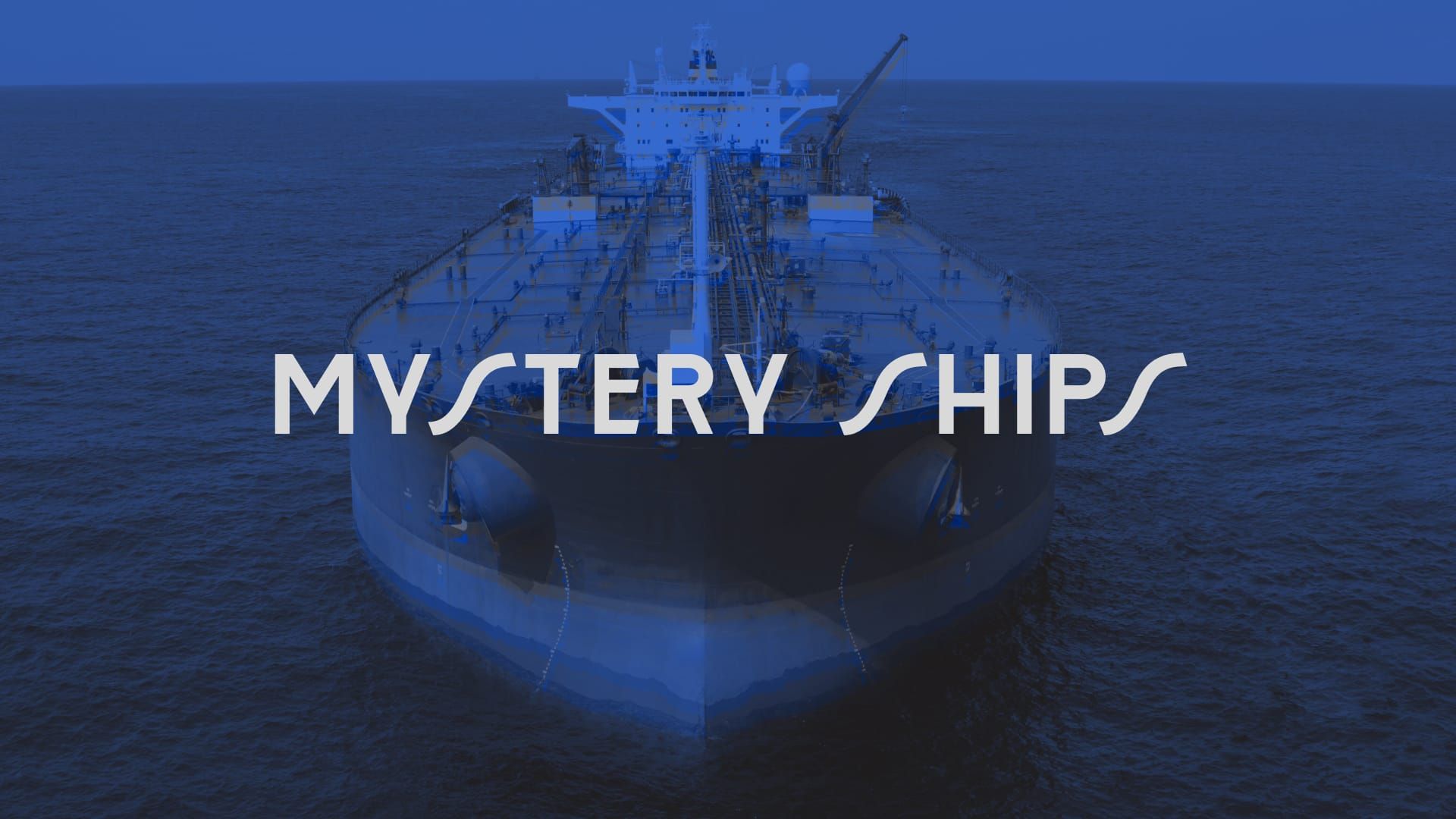
Coral Energy, later renamed 2Rivers, is the subject of Whale Hunting’s investigation into the companies, people and ships involved in moving Russian oil after the invasion of Ukraine (Mystery Ships). The company has denied sanctions violations and said it withdrew from Russian oil trading, while UK and EU authorities have taken sanctions action against named entities in the network (Reuters on the company’s position, the EU listings).
The investigation asks how an oil-trading operation can persist as company names, legal owners and shipping arrangements change (our September 2025 follow-up). This guide follows the original reporting, the sanctions records and the questions that remain unresolved.
For the visual version, explore the original Mystery Ships presentation, including its company relationships, shipping routes and working list of vessels. Those displays belong to the original investigation, not a continuously updated shipping database.
Some original stories require registration or a subscription. The reporting and responses in those articles should be read alongside this guide.
Our first investigation described a trading business operating through a changing set of companies and linked it to Garayev, Eyyub and Russian oil exports, drawing on internal documents and corporate and shipping records (Mystery Ships). It reported that Nord Axis was incorporated shortly before Russia’s full-scale invasion, and examined how ownership on paper could conceal who was directing a trading operation (the original investigation).
Coral Energy announced its rebrand as 2Rivers in July 2024 following a management buyout, but Whale Hunting’s reporting questioned the extent to which the new name and ownership presentation represented a substantive break with the earlier network (Mystery Ships). The company’s position is that it severed ties with previous ownership, stopped entering new Russian-oil transactions at the end of 2022 and exited that business in early 2024 (Reuters).
In August 2025, 2Rivers announced that it had begun a formal dissolution process; Reuters’ corrected account states that the company said it had ceased trading in late 2024 (Reuters). An announcement that dissolution has begun is not proof that every relevant legal entity has been wound up, nor does it resolve questions about former employees or successor businesses.
The EU’s July 2025 regulation separately names 2Rivers DMCC, formerly Coral Energy DMCC in Dubai, and 2Rivers PTE LTD, formerly Coral Energy PTE LTD in Singapore (the official listings). It also records associated entities and describes the authorities’ grounds for listing them; a group name is therefore not a substitute for checking a company’s precise legal identity (the same regulation).
Our reporting follows Nord Axis, Bellatrix and other names because people, contracts and trading relationships may provide continuity where a corporate register appears to show a clean break (Mystery Ships). But an overlapping employee, adviser or address is evidence to examine, not automatic proof that two companies share a beneficial owner.
A July 2025 alert issued by Britain’s National Crime Agency, the Office of Financial Sanctions Implementation and the Foreign Office distinguished a Western-facing business structure from a more opaque set of companies handling Russian trade (the official red alert). The alert described risks involving older tankers, opaque ownership, deceptive shipping practices and access to Western financial and professional services (the red alert).
Whale Hunting’s investigation gives the corporate and human detail behind that problem: nominal owners, rapid transfers, renamed businesses and people whose roles crossed organizational boundaries (Mystery Ships). The subsequent reporting follows the replacement of companies and the continuing difficulty of tracing the full network, rather than assuming that sanctioning one name ends the trade (the September 2025 follow-up).
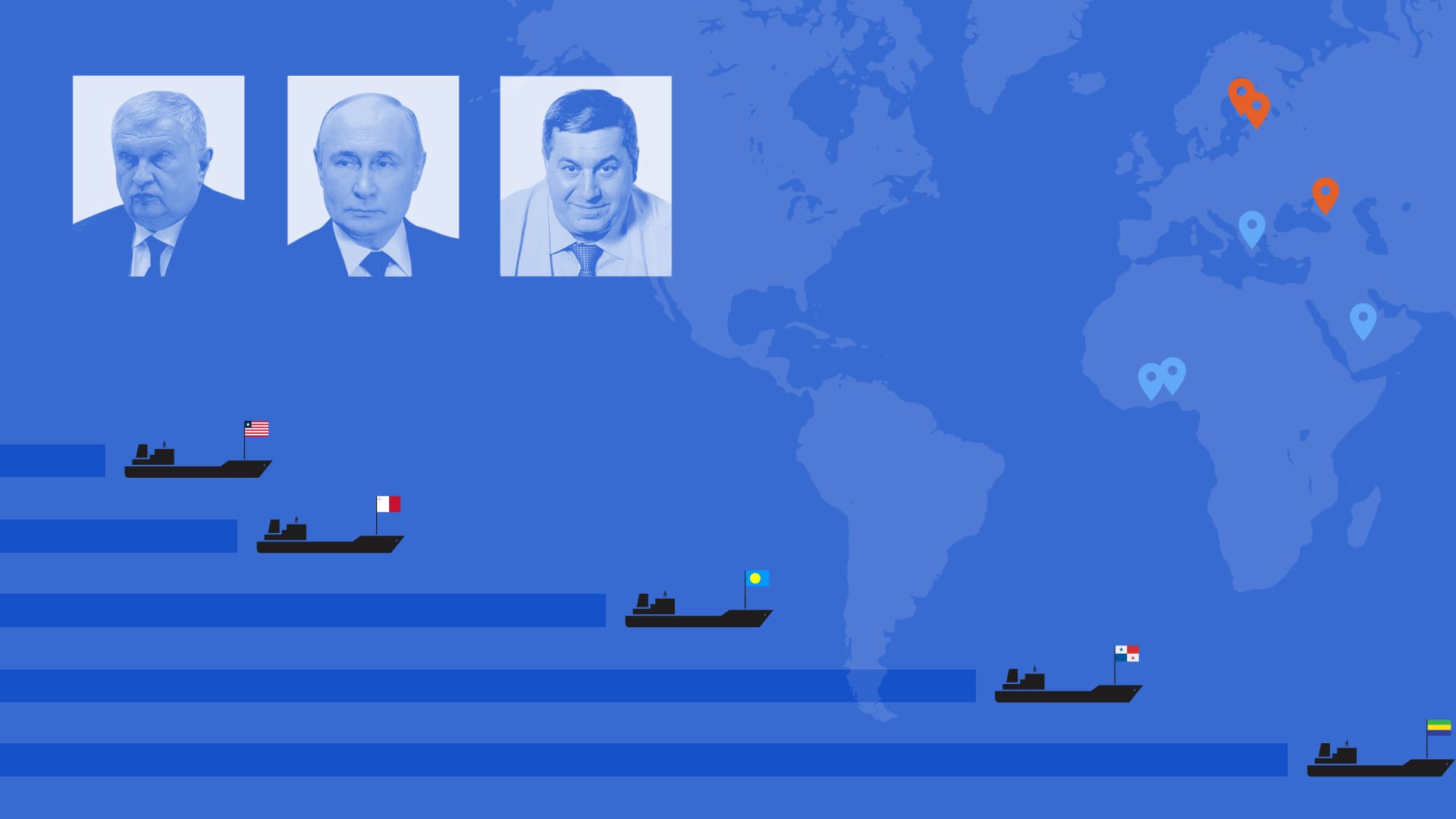
“Shadow fleet” is used in this coverage to describe shipping arrangements that reduce transparency or reliance on conventional Western services, not a single company’s formally registered fleet (the UK red alert). Vessel counts and market-share estimates belong to their dates and methodologies; this guide does not turn them into a live fleet census.
Sanctions designations, allegations of sanctions evasion and criminal convictions are distinct. This is a reporting guide, not a real-time compliance list; transactions require checks against the applicable jurisdiction’s current official records.
Our latest report follows CUSTOS Generation Assets–FZCO, incorporated in Dubai in March 2026, and its acquisition of the Turkish fuel business Hypco from BB Energy (the CUSTOS investigation). Turkish registry records reviewed for the article establish CUSTOS as Hypco’s shareholder, while other records and interviews raise questions about people with earlier Coral or Nord Axis connections (the investigation).
A criminal complaint in Turkey asked prosecutors to examine the acquisition’s financing and alleged links, but the article does not establish that those allegations have been proved (the report). Most importantly, Whale Hunting could not independently establish that CUSTOS was owned or controlled by Coral Energy or its former executives (the report’s explicit limitation).
The responses are central to understanding the story: BB Energy said its due diligence had not identified the alleged Coral connection; Ramazan Arabaci denied an ownership, financing or beneficial link; and people questioned about earlier roles disputed the implications of those connections (the responses in full context). CUSTOS had not responded by that article’s publication, which is a dated reporting fact, not an admission (the September 2026 article).
On 15 September 2026, The National reported on Lebanon’s fuel supply, new inquiries and connections to companies later sanctioned by the UK as part of the 2Rivers network (The National’s investigation). Its reporting adds a market and a set of transactions to follow, but subsequent sanctions do not retroactively prove that a company’s earlier dealings were unlawful (the report and chronology).
The article includes BB Energy’s account of its screening and distinguishes allegations and charges from findings against the businesses concerned (The National). This is reporting by another publication, not a Whale Hunting exclusive, and should be credited accordingly.
The original investigation and Washington follow-up were reported by Georgia Gee; the later work on replacement companies and CUSTOS was reported by Clara Preve (Gee’s investigation, Preve’s latest report). The linked stories explain their use of corporate records, internal documents, shipping research, interviews and responses, while the official sources here establish the sanctions actions described.
Unresolved questions include beneficial ownership behind particular businesses, the extent of continuity after the announced dissolution and the outcome of inquiries into later transactions. Similar names, shared personnel and a history of working together are starting points for verification, not substitutes for it.
Maintaining editor: Bradley Hope. Guide prepared and sources checked on 22 September 2026; substantial revisions and corrections will be recorded here, while original articles retain their own publication dates and correction histories.
