
Benjamin Mauerberger, the South African businessman also known as Ben Smith, is the subject of Whale Hunting’s investigation into alleged money laundering, Cambodian scam proceeds and access to Thailand’s political and financial establishment (our first investigation). He denies involvement in money laundering, human trafficking and call-center scams, and calls the reporting a smear campaign; we have published his statement in full.
The reporting began with a private jet and grew into an examination of banks, investment funds, listed-company shareholdings, luxury property and proposed government partnerships (the reporter’s notebook). This guide brings those strands together without treating every allegation, regulatory action or business connection as the same kind of evidence.
Some linked stories require registration or a subscription. This guide is a route into the original reporting, not a replacement for its documents, detailed sourcing or responses.
The first clue was a Gulfstream G550 associated with Yim Leak, whose family connections reach into Cambodia’s political leadership; the reporting then followed aircraft, property and company records across borders (the reporter’s notebook). The resulting investigation alleged that Mauerberger helped connect Cambodian money with Thai investments and political access, using a structure that was not apparent from the names on individual assets (the opening investigation).
The frequently cited $1.5 billion figure originated as an estimate of assets in the reporting, attributed to a person familiar with an American inquiry, rather than a court-established total of stolen funds (the opening investigation). It should not be read as a final valuation, a forfeiture judgment or proof that every asset discussed in the series belonged legally to Mauerberger.
Later reporting examined how lending and share pledges could give parties influence over investments without their names appearing as direct shareholders (The Mauerberger Spider Web). That report also carries important denials: Chartered rejected the alleged Mauerberger connection and said it was unaware of the alleged funding source, while Northwaters said it complied fully with anti-money-laundering requirements (the report and responses).
Our reporting with Jacob Sims followed the story away from yachts and political photographs to people trafficked into scam compounds, including a worker who described being forced to defraud others at Cambodia’s Long Bay development (the September 2025 investigation). It examined the connections among that development, Zhengheng Group and BIC Bank, rather than treating a victim’s account alone as proof of the entire financial chain (the investigation).
The December 2025 long-form account brought together interviews across six countries, corporate and financial records, and reporting on how criminal networks sought political protection and access to legitimate finance (America’s New Enemy). It also reported an earlier, stalled American intelligence lead concerning Mauerberger; that account is our sourced reporting, not a publicly released intelligence finding (the same investigation).
These distinctions matter. Reporting on Chinese criminal organizations, political connections or an intelligence inquiry does not, by itself, establish that every participant was acting for the Chinese state.
The following chronology distinguishes official records from reported allegations. Arrests, complaints, temporary asset restraints and requests for sanctions are different actions, and none should be silently converted into a conviction.
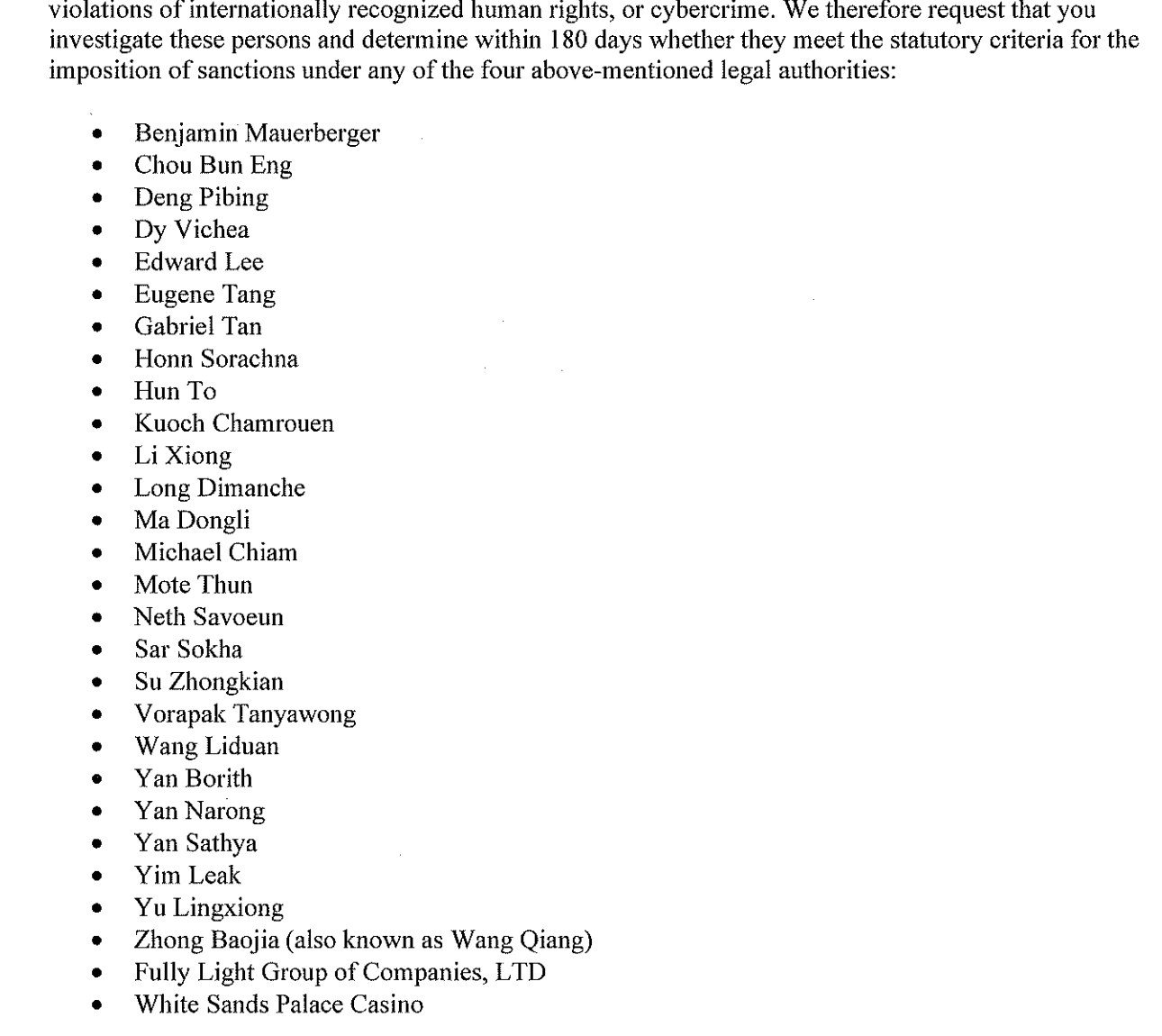
The June SEC complaint is a material update to earlier coverage questioning the regulator’s inaction (the official record). Readers revisiting older articles should use their publication dates and this chronology rather than assume that a description of the authorities’ position remains current.
Mauerberger’s published response denies the central allegations and disputes elements of the reporting about his identity and history (his full statement). Our November report also records KuCoin Thailand’s position that its operations complied with legal and regulatory requirements and Finansia’s rejection of allegations as baseless rumors (State Capture).
Vorapak Tanyawong denied wrongdoing and brought a criminal-defamation case against Tom Wright, seeking damages, according to our May 2026 account. That article sets out the records on which Whale Hunting relies and Vorapak’s explanation of the disputed financial relationship; this guide does not assert an outcome for a later hearing that it has not independently verified (the litigation report).
In July, we reported on Yim Leak’s sealed application in a US federal court seeking discovery for use abroad, alongside his public campaign denying criminal involvement (Turning U.S. Courts Against the Press). The application’s targets were not publicly established in that report, so it would be inaccurate to say that Whale Hunting itself had been confirmed as a subpoena recipient (the report’s stated limits).
We have also published a cease-and-desist letter from lawyers for Henry Chen, together with our response. These materials let readers examine what is contested and how the publication answers those objections.
The underlying series combines corporate and financial records, internal documents, interviews and reporting from people with direct knowledge, with the sourcing and limitations set out in individual stories (the reporter’s notebook). Official announcements linked here establish the actions those authorities announced; they do not independently validate every claim made in the series.
Open questions include the ultimate source and beneficial ownership of particular funds, the outcome of pending proceedings and how far official investigations will extend. This guide does not establish Mauerberger’s present location, resolve disputed ownership merely from an association, or treat a sanctions request as a designation.
Maintaining editor: Bradley Hope. Guide prepared and sources checked on 22 September 2026; substantial revisions and corrections will be recorded here, while original articles retain their own reporting dates and correction histories.
