
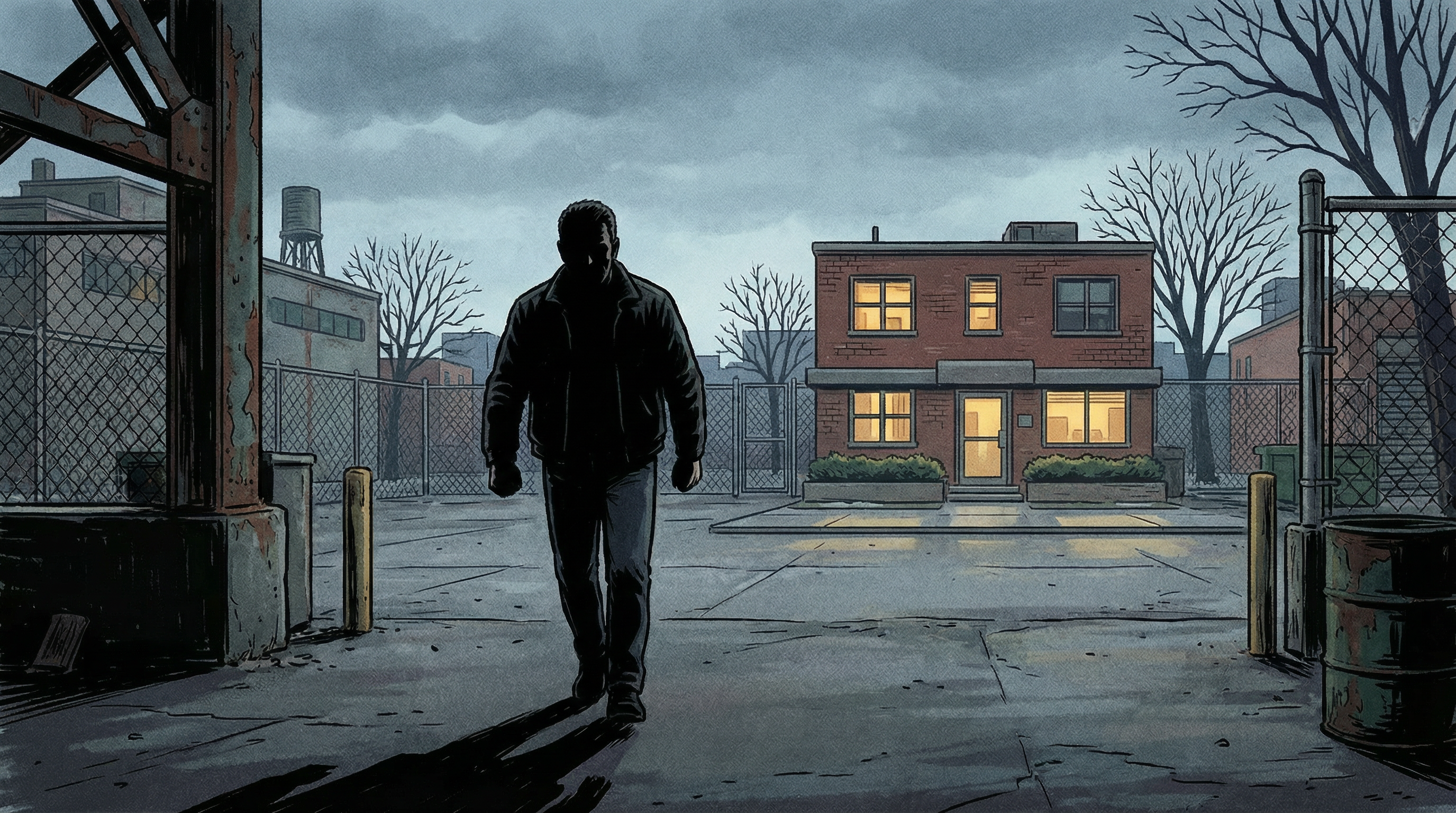
The Man Who Wouldn't Pay: A Christmas Story (Part Two)
by Clara Preve
/
A true crime story about Christmas trees, the South Bronx, and a stubborn Florida farmer who refused to pay tribute to the Gambino family.

You're reading Whale Hunting, an investigative publication from the team behind Billion Dollar Whale.
This is a special holiday edition—and a preview of something new. The Foundry is our upcoming magazine for serialized narrative nonfiction: bold stories, unforgettable characters, published in chapters. It launches in 2026.
We wanted to bring you something different for Christmas: a true crime story about the holiday itself. About Christmas trees, the South Bronx, and a stubborn Florida farmer who wouldn't play by the rules.
Part Two arrives tomorrow.
The smell of pine hung in the December air, sharp and clean against the diesel fumes of US-1. It was the early 1990s, a few weeks before Christmas, and the lot outside a shopping center in Homestead, Florida, was busy with families. Children tugged at their parents' sleeves, pointing at the tall Fraser firs. Somewhere, a radio played "Silver Bells." The trees stood in neat rows, their branches still bound with twine, price tags fluttering in the warm breeze.
Glenn Walker was checking inventory near the back of the lot when two men walked in. They didn't browse. They didn't look at trees. They walked through the rows, past the families, past the children, past the couple still debating their purchase, and stopped in front of Glenn.
You could tell they weren't interested in buying Christmas trees. You could tell they had guns.
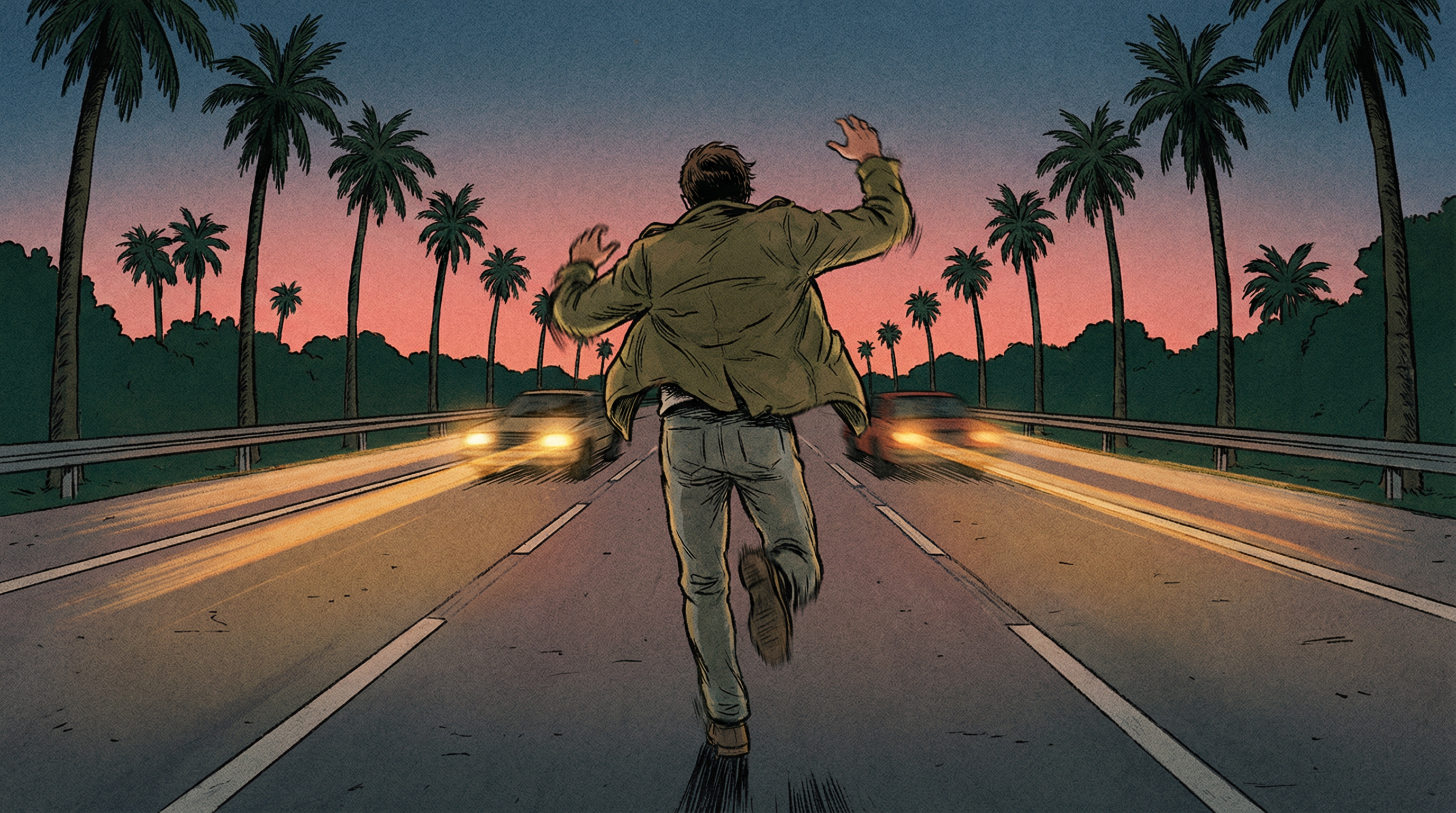
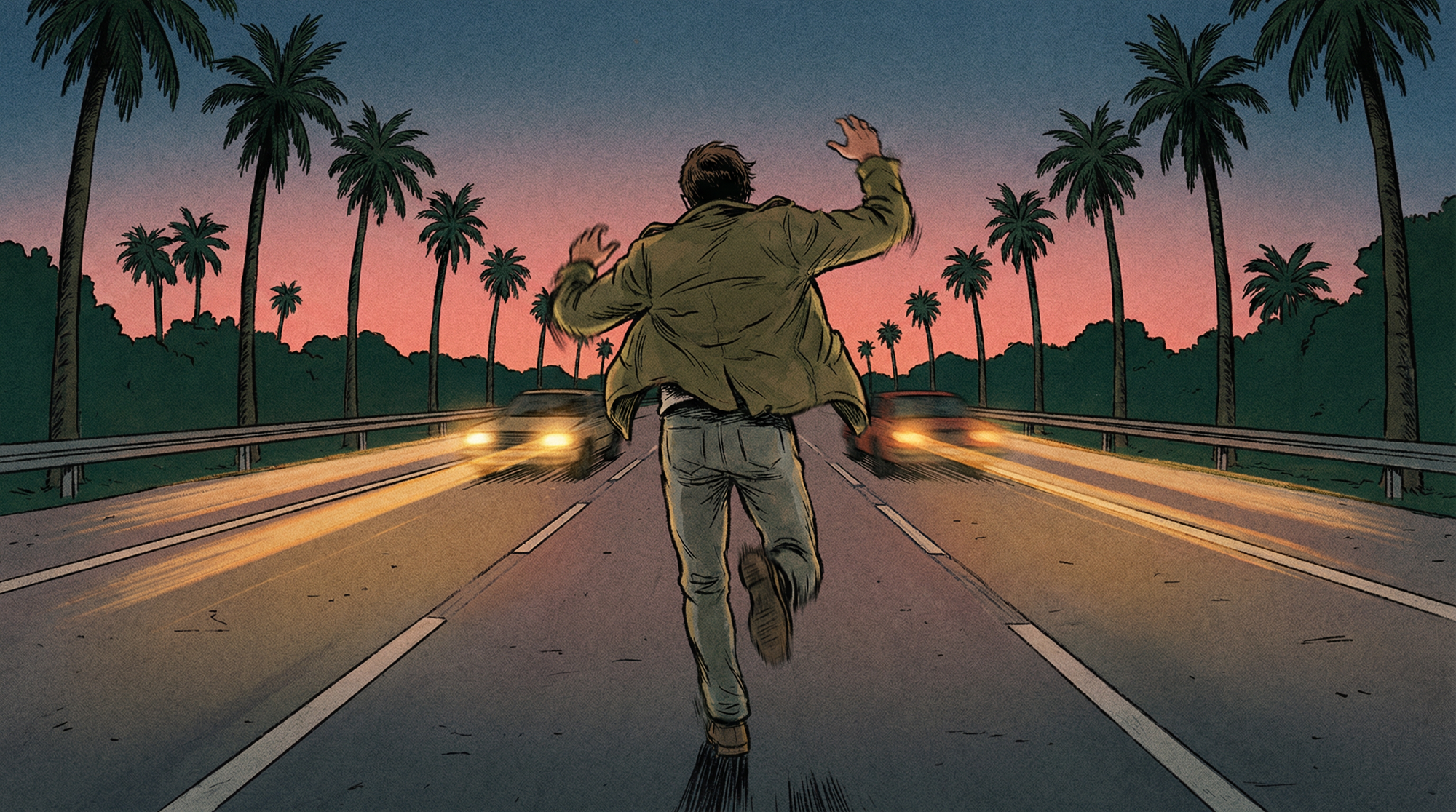
What happened next would stay with Glenn for the rest of his life. He ran. The men followed. They raised their weapons and fired. The bullets missed. Glenn kept running, weaving through the lot, through the trees, knocking over a display of wreaths. He burst onto US-1, the six-lane highway that runs down Florida's eastern coast, and tried to flag down a car. No one stopped. The traffic kept moving, drivers staring straight ahead, unwilling to get involved. Glenn stood in the middle of the highway, waving his arms, and still no one stopped.
Finally, he jumped onto the hood of a moving car. The driver had no choice but to brake. Glenn scrambled off, and the men, seeing the commotion, the witnesses, the chaos they had created, disappeared.
The police came. Glenn gave his statement. Families who had witnessed the chaos gave theirs. And then, because he was Glenn Walker, he went back to work. He hired an armed guard for the lot, a man with a shotgun who would stay with him through the rest of the season. There were trees to sell. Christmas was coming.
He never found out who sent the men. But he didn't stop selling Christmas trees. He didn't leave Florida. He hired an armed guard and finished the season. The only thing he changed was his expectation of what his enemies might do.
If anyone ever came for him again, he figured, they would rough him up. Break some bones. Send a message with fists instead of bullets.
He was wrong about that.
Glenn Walker was not a man who backed down. This was something you understood about him within minutes of meeting him, and it was something that had been true his entire life.
He came from Jefferson County, Florida, a rural community in the northern part of the state where his family had farmed for generations. The Walkers were a large clan, one of those sprawling Southern families where everyone knew everyone and a man's reputation was the only currency that mattered. Glenn's father was one of twelve children. His grandfather was one of thirteen. When you started counting cousins, aunts, and uncles, the numbers ran into the dozens. They all lived within a few miles of each other, worked the same land their ancestors had worked, attended the same churches, and married into the same neighboring families.
"Their handshake was their word," his wife Donna would say later. "They would pay people to do things, but they would not pay people not to do something."
It was a distinction that might seem subtle to an outsider, but it meant everything to the Walkers.
Donna remembered a time when she was practicing law and represented one of Glenn's cousins, a man who owned a fertilizer business. A customer had refused to pay, and they took him to court. After the trial, the cousin turned to Donna, bewildered. "He lied on the stand," the cousin said. "He did not tell the truth." To the Walkers, this was incomprehensible. If the man had told the truth, they wouldn't have needed to go to court in the first place. A deal was a deal. Your word was your bond. Lying was simply not something you did.
Glenn's mother came from the Jones family, and the Joneses had a different kind of reputation. During Prohibition, they had been bootleggers, running illegal liquor through the piney back roads of North Florida. The region was a hotbed for moonshining in those years, with local sheriffs often looking the other way as stills bubbled in the woods and unmarked trucks ran loads through the night. The Joneses were among those bold folks willing to operate outside the law when the law didn't make sense to them. Glenn had inherited something from both sides of his family: the Walker stubbornness and the Jones appetite for risk.
He was the first in his family to leave Jefferson County in any meaningful way. Most of his cousins stayed close to home, married local, took over their fathers' farms, or found work in nearby Tallahassee. Glenn went to Florida State University, where he met Donna in a geography class in 1967. She had actually noticed him before that, in a freshman biology lecture, where he sat in the front row and slept through most of the class. Her girlfriend had pointed him out. But they didn't speak until the following year, when he asked her out.
Their first date was at a Big Boy restaurant. Glenn ordered dinner, and when they finished, he asked if she wanted dessert. She said yes. She loved their strawberry pie. When the check came, he paid it and left a fifty-cent tip. Donna, who had spent her summers working as a waitress, quietly added several dollars to the table after he got up. She found out later that the dinner had cost him everything he had. He had spent his last money taking her out, and he hadn't said a word about it.
They dated for thirteen years before getting married. In that time, they went to law school together at DePaul University in Chicago, working their way through by buying run-down buildings, renovating them with their own hands, and selling them at a profit. Glenn could do most of the work himself – everything except plumbing and electrical. They lived on the second floor of one building while renting out the first. They scraped paint and installed drywall by night, attended classes by day. Their last building was a three-story building on Kenmore Avenue that they converted into condos and sold for a sixty-thousand-dollar profit when they graduated.
After law school, they bought a Volkswagen Kombi camper van and spent six months driving across Europe and North Africa. Starting in Amsterdam, they motored through Western Europe, crossed into Morocco, continued east through Algeria and Tunisia. They wanted to keep going to Egypt, but the region was at war. So they looped back, ferrying to Sicily, driving up through Italy, across into Yugoslavia and Turkey, and even into Iran, where the Shah still ruled, and Americans were still welcome.
Glenn was the one who made things happen, who talked their way through border crossings, who fixed the van when it broke down in the middle of nowhere. "I would never have done it without him," Donna said. This was the man who would later refuse to pay protection money to the mob: someone who had talked his way across three continents in a Volkswagen, who had never met a problem he couldn't solve through stubbornness and charm.
They did it again a year later: six months driving from Florida to Panama, then flying to Colombia, Ecuador, and Peru. Glenn Walker, the country boy from Jefferson County who had never met a Jewish person until he went to college, had seen more of the world than anyone in his family ever had.
When they returned to Florida, Glenn tried practicing law. He didn't like it. He was restless, entrepreneurial, always looking for the next opportunity. His cousin Charlie Walker was a watermelon broker, and one summer Charlie had a problem: a truckload of melons had been rejected in New York, and he needed someone to go up there and salvage the situation.
Glenn went. And he saw something.
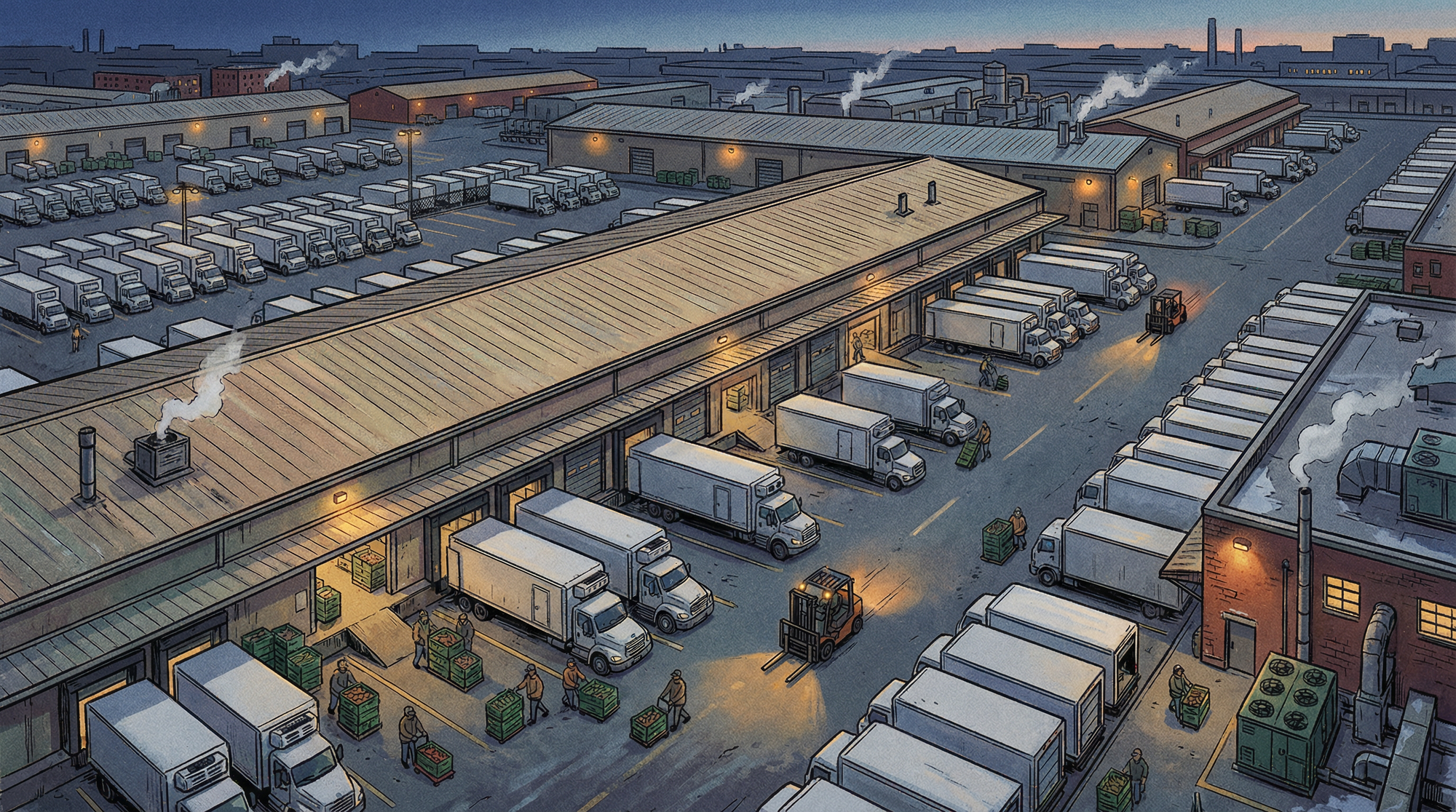
The Hunts Point Market in the South Bronx was one of the largest wholesale produce markets in the world. It covered forty acres of warehouses, loading docks, and refrigerated storage facilities along the East River, a sprawling complex that had been built in the 1960s to consolidate the city's scattered wholesale markets into one location. Thousands of workers moved through it every night, unloading trucks that arrived from farms across the country and around the world. The market fed New York City: its restaurants, its grocery stores, its corner bodegas, its street vendors. Every piece of fruit, every vegetable, every cut flower that New Yorkers consumed passed through Hunts Point at some point in its journey from farm to table.
The market came alive after midnight. By one in the morning, the place was chaos incarnate: forklifts beeped and weaved among semis and piles of crates, vendors and buyers haggled loudly in English and Spanish and Korean and a dozen other languages, and the air was a heady mix of rotting lettuce, diesel exhaust, overripe fruit, fresh herbs, and the coffee that poured from all-night diners where exhausted workers grabbed a few minutes of rest. Peak activity ran between midnight and six in the morning, when fresh shipments arrived, and buying happened. Deals were made with handshakes, payments in cash, and relationships built over years of repeated transactions.
It was a world unto itself, with its own hierarchy and its own code. And it was controlled by the mob. The system operated on a philosophy of managed competition: "Today is your day, you get yours. Tomorrow is my day, I get mine. But everybody gets theirs if we all just sort of keep everything the same." Same pricing. Same territories. Same understanding of who got what and when. An all-cash market was a good place to launder money. The families who ran it had been running it for decades.
Glenn learned the rhythms. He started buying watermelons from farms across the South, following the harvest as it moved north through the season. South Florida in the spring, when the first melons came ripe. Georgia and the Carolinas in the summer. Delaware by late August. He would buy the melons at the farm gate, arrange trucking to New York, and sell them to retailers at Hunts Point. He specialized in a particular kind of watermelon – smaller, dark green, real red inside – that he sold to the Korean corner markets, the delis, the shops that sliced them and sold pieces to customers on the go. The margins were thin, the work was hard, and the hours were brutal. But Glenn was good at it.
At Hunts Point, Glenn got to know the other produce men. There was Frankie, who had been working the market for years and dealt in the same seasonal goods. Glenn and Frankie were friendly at first. They were in the same business, working the same hours, navigating the same system. Frankie had connections that Glenn didn't, relationships that went back decades, ties to people who could make problems appear or disappear. Glenn didn't ask too many questions about those connections. In the beginning, it didn't matter.
It was a friend back in Jefferson County who first mentioned Christmas trees. The friend grew Fraser firs on his land, and he told Glenn there might be an opportunity in New York. The city consumed millions of trees every December, and the margins were better than watermelons if you could secure the right location.
To understand what Glenn Walker was getting into, you have to understand the Christmas tree business in New York. And to understand that, you have to understand a man named Joseph Armone.
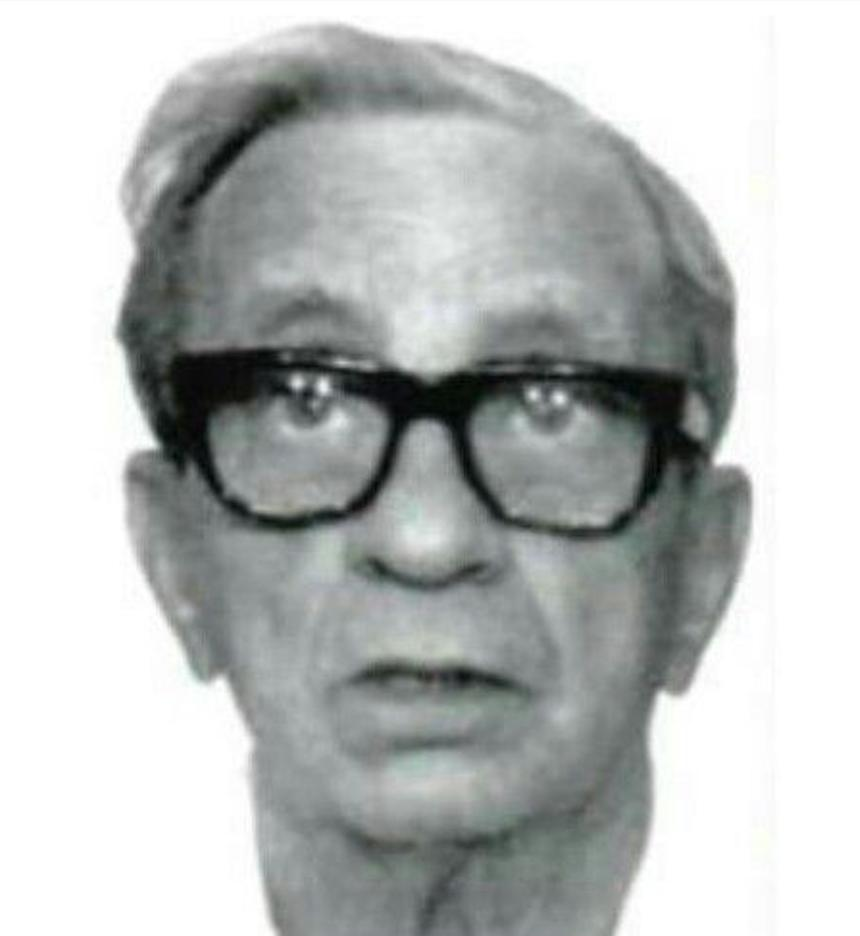
Armone was born in 1917 on the Lower East Side of Manhattan, the child of Italian immigrants who had come to America in the great wave of migration at the turn of the century. The neighborhood was a cauldron in those years – tenements stacked five and six stories high, pushcart vendors choking the streets, a dozen languages shouted from windows, and underneath it all, the nascent structures of organized crime taking root in the chaos. The Italian gangs were consolidating, carving up territories, establishing the hierarchies that would eventually become the Five Families. Young men with few prospects and considerable ambition looked at the legitimate economy – the factories, the docks, the sweatshops – and saw a ceiling. They looked at the gangs and saw a ladder.
Armone climbed. By his early twenties he had attached himself to the Gambino organization, working his way up through the lower rungs: running numbers, collecting debts, proving himself reliable in the small assignments that tested whether a young man had the temperament for larger ones. He was not flashy. He was not violent by reputation, though he was certainly capable of violence when the situation required it. What distinguished Armone was his eye for opportunity – his ability to look at a legitimate business and see the angles, the pressure points, the places where a wise guy could insert himself and extract value without killing the enterprise entirely.
The Christmas tree trade was one of those opportunities.
It started, as near as anyone can reconstruct, in the depths of the Depression. The economy had collapsed, millions were out of work, and yet every December, New Yorkers still wanted Christmas trees. It was one of those small pleasures that people clung to even in hard times – the smell of pine in a cramped apartment, the ritual of decorating, the brief illusion of abundance in a season of scarcity. The trees came down from Vermont and New Hampshire on trucks, sold by vendors who set up on street corners and vacant lots, and the business was almost entirely unregulated. No licenses to speak of, no oversight, just men with trees and customers with cash.
So Armone provided them with protection. For a fee.
The system was elegant in its simplicity. A vendor who paid tribute – a few hundred dollars at first, though the amounts would rise over the decades – could operate without interference. His trees wouldn't be stolen. His lot wouldn't be vandalized. His workers wouldn't be threatened. He was, in the parlance of the trade, "with" the organization, and that affiliation bought him peace. A vendor who refused to pay discovered what interference meant: slashed trees, broken equipment, fires in the night, visits from men who made clear that the problems would continue until the tribute was paid.
The message spread quickly. Within a few seasons, nearly every significant Christmas tree operation in New York was paying. The amounts were not ruinous – a few hundred dollars, later a few thousand, were manageable for a business that might gross tens of thousands in a good December. Many vendors didn't even think of it as extortion. It was simply the cost of doing business, like rent or insurance or the bribes you paid to building inspectors. You factored it into your prices, passed it along to your customers, and moved on.
Armone earned the nickname "Piney" for his involvement in the Christmas tree racket, a name that stuck with him for the rest of his life. It was an almost affectionate moniker, the kind of thing the newspapers loved – the gangster with the holiday hustle, the mobster who'd cornered the market on Christmas cheer. But there was nothing affectionate about the system he had built. It was extortion, pure and simple, enforced by the threat and occasional reality of violence. And it worked.
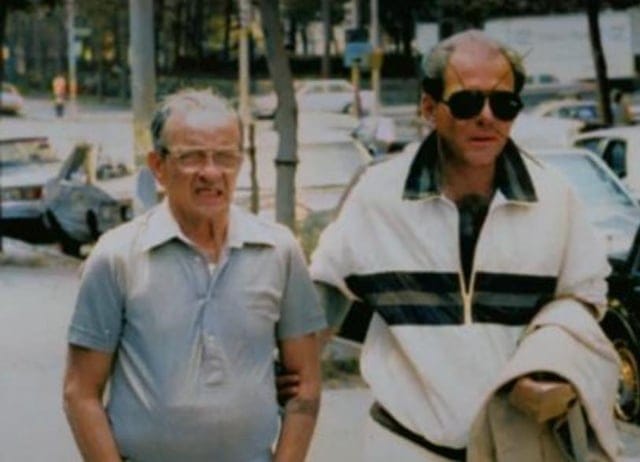
Armone rose through the Gambino ranks over the following decades. He went to prison in 1965 on a tax evasion charge – the same crime that had brought down Al Capone a generation earlier – and served nearly a decade. He got out, resumed his position, and kept climbing. By the 1970s, he was a capo, a captain with his own crew and his own territory. By the 1980s, he was underboss, the second-most-powerful figure in the entire Gambino organization, answering only to Paul Castellano and later to John Gotti himself.
Through it all, the Christmas tree tribute system continued. It had become institutionalized, passed down through the organization like any other profitable enterprise. The specific collectors changed, the territories shifted as various crews rose and fell, but the fundamental structure remained intact. Every December, the vendors paid. Every December, the money flowed upward. It was one of dozens of similar rackets that the families operated – tribute systems embedded in fish markets and garbage hauling, in construction and trucking, in any industry where small operators were vulnerable, and cash changed hands in volume.
By the time Armone died in 1992 – he passed away in a federal prison medical facility, still serving time on racketeering charges – the Christmas tree shakedown he had pioneered was more than sixty years old. Three generations of vendors had paid into the system. Fathers had passed the obligation to sons. The tribute had become as much a part of the Christmas tree business in New York as the trees themselves.
Nobody had successfully defied it in all that time.
By the 1990s, the practice had spread beyond the original Gambino operation. In the Bronx, a Genovese family capo named Angelo Prisco controlled the northeast section, collecting payments from anyone who wanted to sell trees in his territory. The system was remarkably stable. It survived changes in leadership, federal prosecutions, the rise and fall of various crime families. It survived because it was profitable and because most vendors accepted it as a cost of doing business. A few hundred or a few thousand dollars a season was a small price to pay for the right to operate without interference. Most vendors didn't even think of it as extortion. It was just how things worked.
The tree men themselves were characters, colorful and competitive. They called themselves, half-jokingly, the "five families of Christmas" – a handful of dynasties that dominated the New York trade. There was Scott Lechner, who wore a fedora and operated out of a trailer in SoHo, who had been paying tribute since the early eighties and considered it simply the cost of doing business. There were families in Brooklyn who had passed their lots down through generations. There were operators in Manhattan who controlled entire neighborhoods, their territories as clearly defined as any mob boss's turf.
These tree men were frenemies, as one of them put it. They would buy you a drink and then try to steal your customers the next morning. They fought over corners, over suppliers, over prices. They spread rumors about each other's trees, sabotaged each other's displays, and poached each other's workers. But they all paid their tribute. That was the one thing they had in common.
Glenn Walker did not see it that way.
Glenn was not sentimental about Christmas trees. He didn't have childhood memories of decorating firs with his family or any particular attachment to the holiday. What he saw was a business opportunity: a seasonal product with high demand, a compressed selling window, and the potential for significant profit if you executed well.
He started investigating. He drove to Pennsylvania and met with growers, spending days walking through tree farms, learning the business from the ground up. Pennsylvania had more Christmas tree farms than any other state in the country – over 2,100 operations scattered across the Poconos and the rolling hills of the central part of the state. The farms ranged from small family plots to sprawling thousand-acre operations where helicopters lifted bundles of cut trees from the fields to waiting trucks on the roads below.
Glenn walked the rows with growers, learning to read the trees. Fraser firs from the mountains of North Carolina, with their silver-green needles and strong branches, were the premium product, the trees that wealthy customers wanted in their living rooms. They wholesaled for twenty dollars or more for an eight-footer. Balsam firs from Vermont and Maine had a stronger scent but softer branches. Douglas firs were popular but expensive to ship from the Pacific Northwest. Scotch pines were the workhorses – hardy, affordable, maybe five dollars wholesale for a decent specimen. White pines were at the bottom of the barrel, sold to customers who couldn't afford anything better.
He learned about shearing, the annual trimming that gave trees their perfect conical shape. He learned about grading – premium, number one, number two – and how the grade determined the price. He learned about the harvest: crews moving through the fields in October and November, cutting trees with chainsaws, binding them in mesh netting, loading them onto trucks for the journey to the cities. He learned that timing was everything. A tree that sat too long in a hot truck would drop its needles within days of being put up in someone's home.
Each fall, Glenn would drive out to Pennsylvania, walk the fields, and tag the trees he wanted with colored ribbon or spray paint. By mid-November, flatbed trucks would arrive at the farms, workers would cut their tagged trees, and the loads would head south to the Bronx.
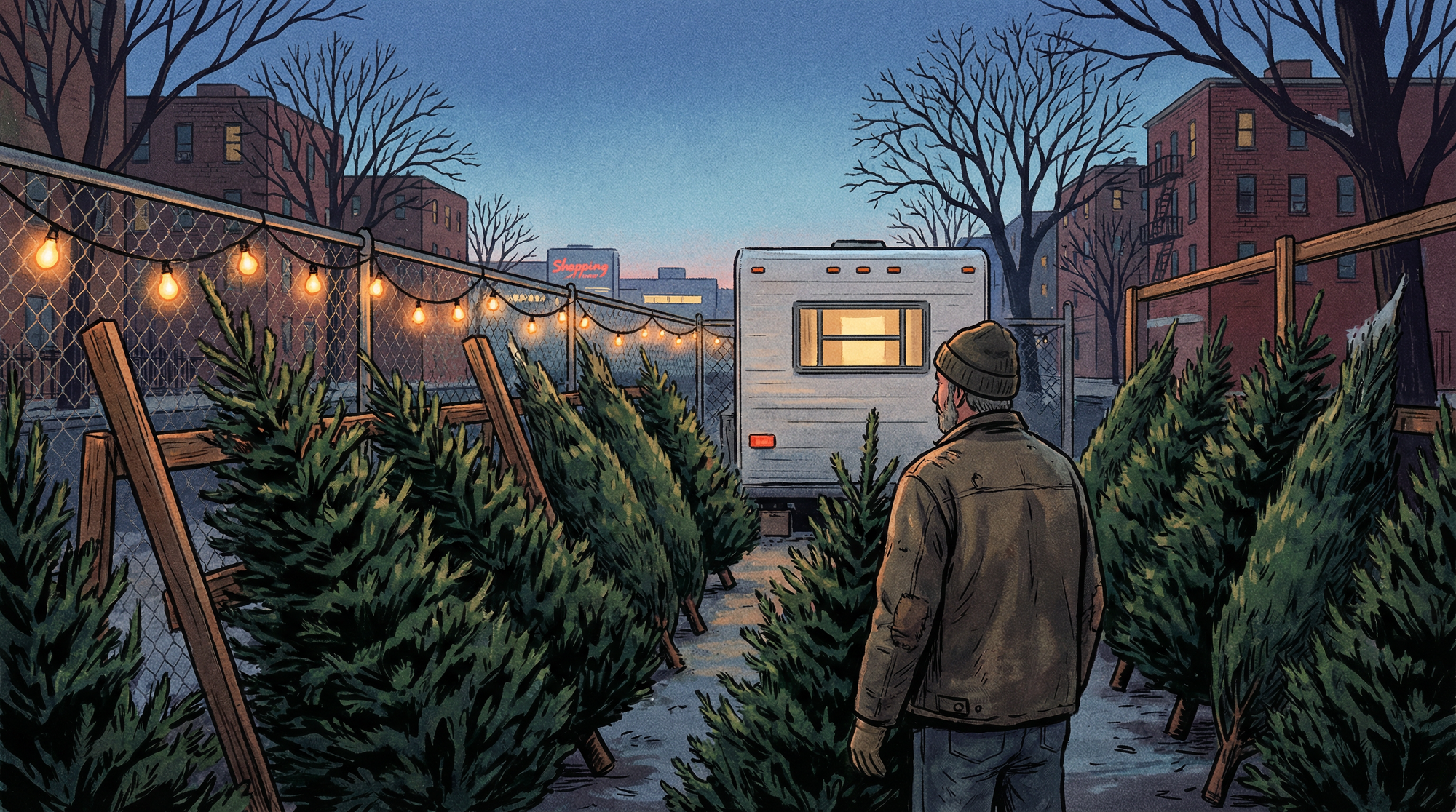
Glenn secured a lot on Bartow Avenue in the Baychester section of the Bronx, near the Bay Plaza Shopping Center. It was prime real estate: across from a Toys "R" Us, just down the road from the entrance ramp to I-95, and within sight of Co-op City – the massive housing complex that dominated the skyline of the northeast Bronx. Co-op City was a city within a city, thirty-five high-rise apartment towers between twenty-four and thirty-three stories each, home to tens of thousands of families. They all needed Christmas trees.
During December, Glenn's rented lot transformed into a miniature forest. Rows of fresh-cut Fraser firs, balsams, Scotch pines, and Douglas firs stood on display, their branches still bound with twine, price tags fluttering in the cold wind. Wooden shacks painted red and green served as warming stations and checkout areas. At night, string lights created a warm glow visible from the intersection, and the smell of pine resin mixed with the exhaust fumes from the Bartow Avenue traffic. Customers could pull off the busy road, park, and wander through the trees the way you might wander through a forest, looking for the perfect one.
Glenn divided the lot into two sections: one for budget trees at fourteen dollars and ninety-nine cents, one for premium trees at higher prices. A hand-painted sign near the entrance announced it: ANY TREE $14.99. The budget section was a draw, bringing in customers who often ended up buying something more expensive once they saw the quality of the Fraser firs.
The $14.99 price point would prove to be a problem.
Word got out all over the city. There's a guy up in the Bronx selling any tree for $14.99. Vendors down at Amsterdam Avenue and 90th Street, selling their trees for forty-five or fifty dollars, started hearing about it from their customers. "Why should I pay you fifty bucks when there's a guy in the Bronx selling them for fifteen?" It was disrupting the market, undercutting the established players, threatening the careful equilibrium that kept everyone profitable.
Glenn didn't care. This was capitalism. This was America. He could sell his trees for whatever he wanted.
Donna stayed in Florida during the school year, raising their son, Glenn III – "Rascalhead," as his father called him. But after school let out for the holidays, she and the boy would drive up to New York and help with the lot. She handled the money, kept the books, and reconciled the accounts. Glenn's record-keeping was like most farmers she knew: the dashboard of his truck was his filing cabinet, receipts and invoices scattered everywhere. Every day, she would call the bank, track the deposits, and make sure the numbers added up. It was a partnership, the same kind of partnership they had built over two decades together.
Young Glenn III, ten years old, worked the lot too. His father wanted him to learn the business, to develop the confidence to talk to customers, to name a price without flinching. But the boy hated it. The cold, the long hours, the rough environment – it wasn't fun for a fourth-grader. He was afraid that if he quoted too high a price, he would scare off the customer; if he quoted too low, his father would be disappointed. Glenn Sr. didn't actually care what number his son said – he just wanted the boy to try, to learn that boldness. But Glenn III didn't understand that. He dreaded those weeks on the lot.
Some of those weeks would haunt him for the rest of his life.
The trouble with Frankie started over watermelons, not Christmas trees.
Glenn had been expanding his operation at Hunts Point. He had started with twenty or thirty truckloads of melons per season, but he saw an opportunity to scale up. He made a deal with a larger competitor, a partnership that would let him handle over a hundred truckloads. It was a significant expansion, the kind of move that would establish him as a major player in the market.
Frankie didn't like it.
The expansion threatened Frankie's business. He had been operating at a certain level for years, and Glenn's growth would cut into his territory, his customers, his margins. They sold to the same buyers. Glenn's expansion would be a direct hit.
The friendship curdled. Frankie grew upset. Things got worse and worse. And Glenn, being Glenn, didn't back down. He had a way about him, Donna would say later. If you were mad at him, he would egg it on. He wouldn't give an inch. He would look at you and do something, say something, just to provoke a reaction. Nothing cruel, but relentless. Once Glenn decided you were an adversary, he didn't let up.
Frankie had connections. Everyone at Hunts Point knew that. He knew people who knew people, the kind of relationships that could make problems appear or disappear.
The market committee voted to strip Glenn of his marketing privileges. It was an extraordinary move, a punishment usually reserved for vendors who had violated the market's unwritten rules in serious ways. Glenn's offense, apparently, was competing too effectively.
Glenn sued them.
A small-town outsider, a market member from Florida, suing the mob-controlled produce market in the South Bronx. It was not a great position to be in. But Glenn was a lawyer, even if he didn't practice, and Donna was a lawyer, and they knew their rights. The market couldn't just strip his privileges because he was selling too many watermelons.
The lawsuit went nowhere, as far as anyone could tell. But it sent a message about what kind of man Glenn Walker was. He would not accept being pushed around. He would fight back through whatever channels were available to him.
And then came the Christmas trees.
The first time someone approached Glenn to collect protection money was in November 1992. Two men in long leather coats came into his Baychester lot and demanded $3,000 in cash. They politely explained how things worked and the benefits of cooperation. Glenn paid up.
The following year, however, Glenn hired three overnight security guards to protect his lot. He had decided that he didn't need any other protection. He had his own security. He paid his rent, he followed the rules, he ran a legitimate business. When the two men in leather jackets returned on Black Friday to collect their payment, Glenn declined.
Then the problems started.
His trucks were delayed at the market gates, held up for inspections that other vendors didn't seem to face. Shipments arrived late, or the paperwork was wrong, or there were questions about his permits. Workers he had hired for years suddenly quit without explanation. Tires on his trucks were slashed overnight. Tools disappeared from his warehouse. A delivery of pumpkins was rejected for reasons no one could explain.
Small things at first, annoyances more than threats. But the pattern was unmistakable. Other vendors didn't have these problems. Other vendors, the ones who paid, operated smoothly. Glenn's business was being squeezed, slowly and methodically, by forces he couldn't see and couldn't fight through normal channels.
He still wouldn't pay.
Then came the fire.
It happened in the middle of the night, December 1993. Someone doused his lot with a Molotov cocktail and lit a match. The flames consumed hundreds of trees, thousands of dollars of inventory, weeks of work. By the time the fire department arrived, there was nothing left but charred stumps and the acrid smell of burned pine.
Glenn stood in the ashes the next morning, surveying the damage. He knew who was responsible. Everyone knew. But knowing and proving were different things, and the people who had done this were careful.
He reopened the lot the next day. He cleaned up what he could, rushed to get replacement stock from his growers in Pennsylvania, and kept selling. When the television cameras showed up, he talked to them. He talked about his refusal to be intimidated. He talked about his determination to keep selling trees. He talked about what the holiday meant to the families who came to his lot every year. He played it up, Donna would say later, knowing exactly how to turn adversity into opportunity. American Journal, the TV newsmagazine, filmed a segment on his ordeal, portraying Glenn as a family man and principled businessman under siege by organized crime.
The story ran on the local news. It ran in the papers. Here was this nice family from Florida, just trying to make a living, being shaken down by the mob. All he wanted to do was sell his Christmas trees.
And then something extraordinary happened: customers came in droves.
They came from all over the city, from neighborhoods Glenn had never sold to before. They came from a hundred-mile radius, people who had read the articles and wanted to support the vendor who had stood up to whoever had burned his lot. They came because they admired his stubbornness, his refusal to back down. That year, despite the fire, despite the lost inventory, despite everything, Glenn Walker had one of his best seasons ever. He grossed more money than anybody had ever imagined you could make in one season on that lot.
The fire had been meant to destroy him. Instead, it had made him stronger.
But when Glenn went public with that story, something shifted.
He hadn't named names, hadn't pointed fingers at specific individuals. But the people who had tried to shake him down, the people who had firebombed his lot, understood what he had done. He had embarrassed them. He had made them look weak. He had turned their attack into a marketing opportunity, used their violence to generate sympathy and sales. And in their world, looking weak was unacceptable.
George Nash was another Christmas tree vendor, a man who had known Glenn and who operated a large wholesale business out of the Bay Plaza Shopping Center. Nash was a different kind of operator. He understood how things worked in the market. He had paid his tributes over the years, had kept his head down, had avoided the kind of confrontations that Glenn seemed to court.
After the firebombing, Nash heard the talk. His largest wholesale customer, a man with connections to the organization, told him flatly: Glenn Walker was a dead man.
"Mark my words," the man said. "Somebody's going to take him out."
Nash asked when.
"It's not going to happen anytime soon. But maybe like six or eight months down the road. When nobody's even thinking about it anymore."
Nash didn't know what to do with this information. He didn't know Glenn well enough to warn him, didn't know if Glenn would even listen. And besides, what could you say? Someone told me you're going to be killed, but not right away? Glenn already knew he had enemies. Glenn already knew he was taking risks. He had chosen to take them anyway.
The months passed. The Christmas season ended. Glenn went back to Florida for the winter, then returned to New York in the spring for watermelon season. He kept running his business, kept refusing to pay, kept being Glenn Walker.
October came. The leaves turned. The air grew cold. Glenn started preparing for another Christmas season on the lot.
What happened next would change everything—and end the Gambino family's sixty-year grip on New York's Christmas tree business.
Part Two arrives tomorrow.
About The Foundry
This story is a preview of The Foundry, a new magazine from Project Brazen launching in 2026. The Foundry will feature serialized narrative nonfiction: bold stories, unforgettable characters, published in chapters.
Subscribe to Whale Hunting to get notified when The Foundry launches. And if you have ideas for narrative nonfiction projects with great characters and stories that shed light on hidden worlds, we're accepting pitches—get in touch.


Check out the Brazen Whale Hunting Collection.
Got a question or a tip for us? Get in touch at whalehunting@projectbrazen.com. You can also contact us securely here.
You can also follow Whale Hunting on Instagram, Threads and on X (Twitter). To chat with fellow Whale Hunters and stay in touch with Bradley and Tom, join our Discord server.
For unlimited access to Whale Hunting’s investigative reporting, consider signing up for a paid subscription. You’ll get special editions of the newsletter and the Weekender, as well as premium podcast access and discounted merch.
Enjoying Whale Hunting but not ready to subscribe? Show your support by leaving a tip (via credit/debit card or crypto) instead.
 Related Posts